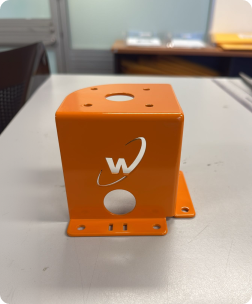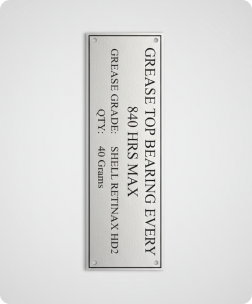
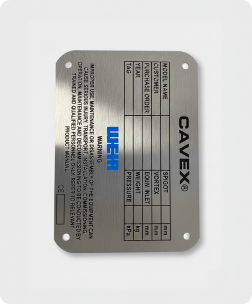
The best metal tag for labeling depends on where it’s going and what it has to survive. Stainless steel is the go-to for outdoor, high-corrosion, or asset-tracking applications thanks to its durability and rust resistance. Aluminium is the lighter, more budget-friendly option for indoor equipment and general asset tags. Brass suits decorative, heritage, or premium-presentation labelling. For anything exposed to chemicals, extreme heat, or long-term outdoor weathering, stainless steel with laser-etched or engraved text will outlast printed or adhesive alternatives by years.
Plastic and vinyl labels are cheaper upfront, but they fade, peel, and crack when exposed to UV light, oil, moisture, or repeated handling. For equipment, machinery, compliance plates, and asset tags that need to remain legible for the life of the asset, metal tags are the only material that reliably holds up. Engraved or etched metal doesn’t rely on ink or a printed surface, so there’s nothing to wear off.
| Metal | Best For | Durability | Cost | Notes |
| Stainless Steel | Outdoor equipment, asset tags, compliance plates, marine/industrial sites | Excellent — corrosion and heat resistant | Mid-high | Industry standard for harsh environments; takes laser engraving well |
| Aluminium | Indoor machinery, general asset tracking, warehouse labelling | Good — lightweight, resists rust but softer than steel | Low-mid | Cost-effective for bulk orders; anodised finishes add colour options |
| Brass | Signage, heritage plaques, premium product branding | Good — develops a patina over time rather than corroding | Mid-high | Preferred where appearance matters as much as function |
| Anodised Aluminium | Barcode/serial tags, colour-coded asset systems | Very good — added surface hardness | Mid | Supports full-colour printing under a protective anodised layer |
Stainless steel is the most durable option for outdoor use. It resists rust, UV fading, and temperature extremes better than aluminium or brass, making it the standard choice for long-term outdoor asset and compliance tags.
Yes, for indoor or moderate-exposure environments. Aluminium is lightweight, cost-effective, and holds up well against everyday wear, though it’s less resistant to corrosion and impact than stainless steel.
Engraved or laser-etched tags last longer because the marking is physically cut into the surface rather than sitting on top of it. Printed tags can be a good fit for full-colour branding where the tag won’t face heavy abrasion.
This depends on the mounting surface and how the tag will be attached. A supplier can advise on standard sizes and gauge thickness based on your application and attachment method.