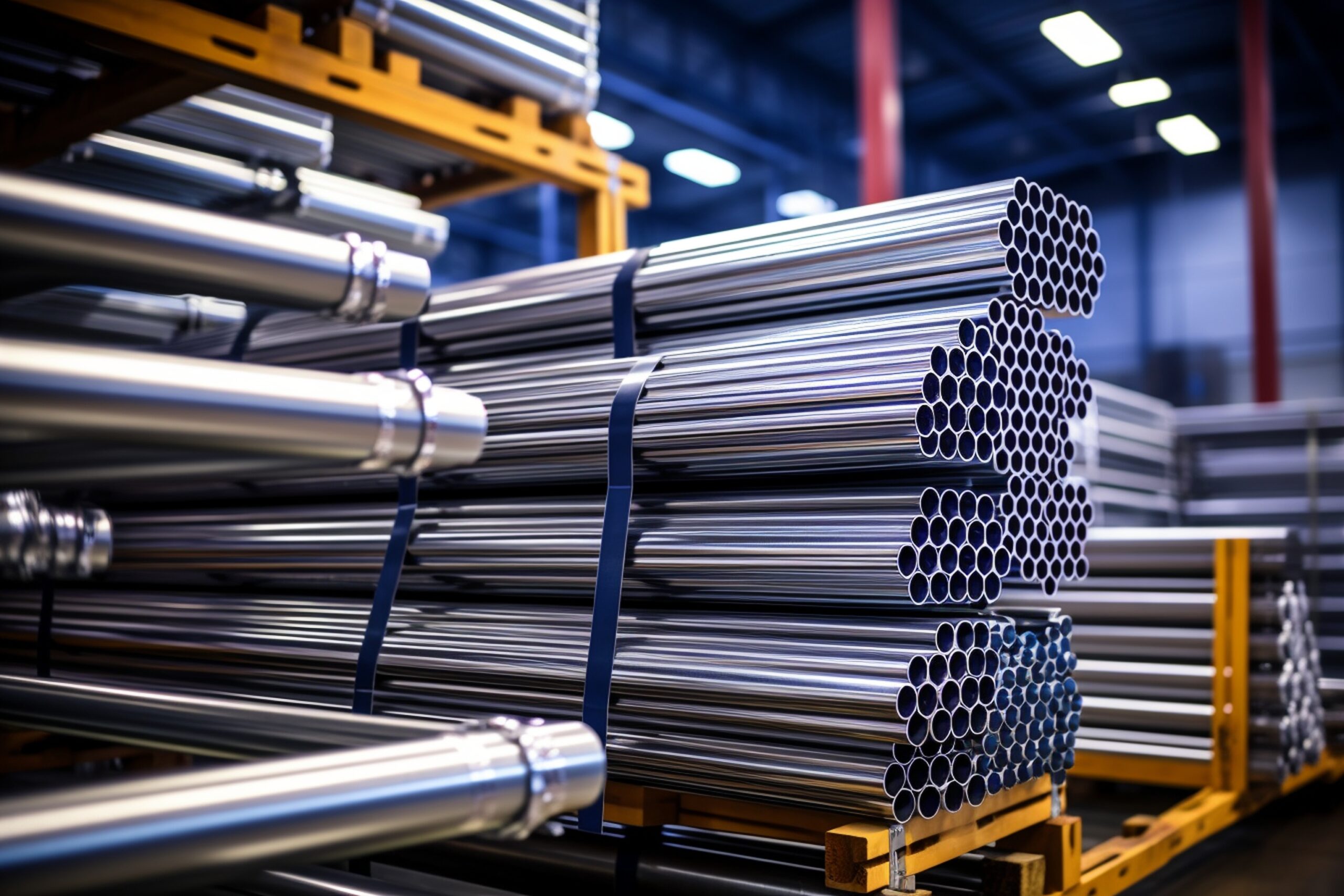
Australia’s metal fabrication industry is at an inflection point. With federal and state infrastructure programs accelerating, mining operations expanding, and engineers demanding tighter tolerances than ever before, one material keeps coming out on top: precision-fabricated stainless steel. From mining conveyors in the Pilbara to lift systems in Sydney’s new precincts, the demand for custom mounts, brackets, and mounting plates has never been stronger.
Not all stainless steel is equal, and in 2026, Australian engineers are making grade decisions earlier in the design process than ever before. The two dominant grades – 304 and 316 – serve distinct roles, and specifying the wrong one is an expensive mistake.
Grade 304 is the most widely used austenitic stainless steel in Australia. With excellent formability, good corrosion resistance, and a lower price point than 316, it’s the default choice for indoor industrial environments, building brackets, machinery mounts, nameplates, and general commercial fabrication. If your application is sheltered from salt air and strong chemical exposure, 304 delivers outstanding value.
Checkmate Industries fabricates in both 304 and 316 stainless steel, with marine-grade corrosion protection available as a standard option — not an afterthought.
Fast turnaround without compromising quality: is it possible?
One of the persistent frustrations for Australian engineers has been the trade-off between lead time and quality. Offshore fabrication can be cheap, but the combination of shipping delays, communication friction, and inconsistent quality has pushed more projects back to domestic suppliers – especially where schedule certainty matters.
Advanced domestic fabricators now offer rapid prototyping for new bracket designs — often within days — followed by seamless scaling to production runs with consistent quality across every piece. The integration of 5-axis CNC machines, EDM, and automated inspection systems means that what once required multiple setups and human inspection steps can now be achieved in a single, automated workflow.
For projects where a delayed component holds up an entire installation crew, the cost of a slightly cheaper offshore quote is rarely worth the schedule risk.
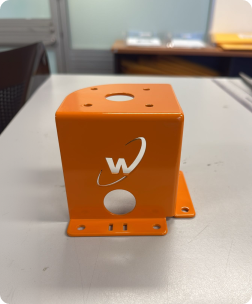
One often-overlooked advantage of working with a full-service stainless fabricator is the ability to receive hardware that’s genuinely ready to install. This means components arrive with captive nuts, welded studs, slotted adjustment holes, mounting flanges, and pole clamps already incorporated — matched to the fastener specifications your team is using.
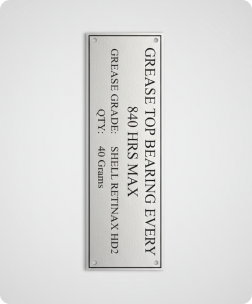
When stainless brackets and mounts are supplied alongside complementary products like nameplates, identification tags, and sign mounting kits, site installation teams can work efficiently without waiting for missing components. It’s a small detail in a quote, but it compounds into meaningful time savings across a large project.
With demand surging and project schedules tightening, choosing the right fabrication partner matters more than ever. Here’s what experienced Australian engineers are prioritising in 2026.
Grade capability across 304 and 316 — not every fabricator handles both grades with equal competence, particularly in TIG welding and passivation.
In-house finishing — outsourced finishing adds lead time and introduces quality control gaps. Look for fabricators who handle brushing, electropolish, and powder coat in-house.
ISO 9001:2015 certification — mandatory for most infrastructure and mining procurement, and a reliable signal of consistent quality management.
Prototype-to-production continuity — the ability to take a custom bracket from prototype approval to a 500-piece production run without re-tooling or re-quoting.
Hardware integration — can they supply captive nuts, welded studs, and mounting flanges already incorporated into the finished piece?
Checkmate Industries fabricates custom mounts, brackets, and plates in 304 and 316 stainless steel – with tolerances down to ±0.001mm, ISO 9001:2015 certification, and fast turnaround for Australian projects.