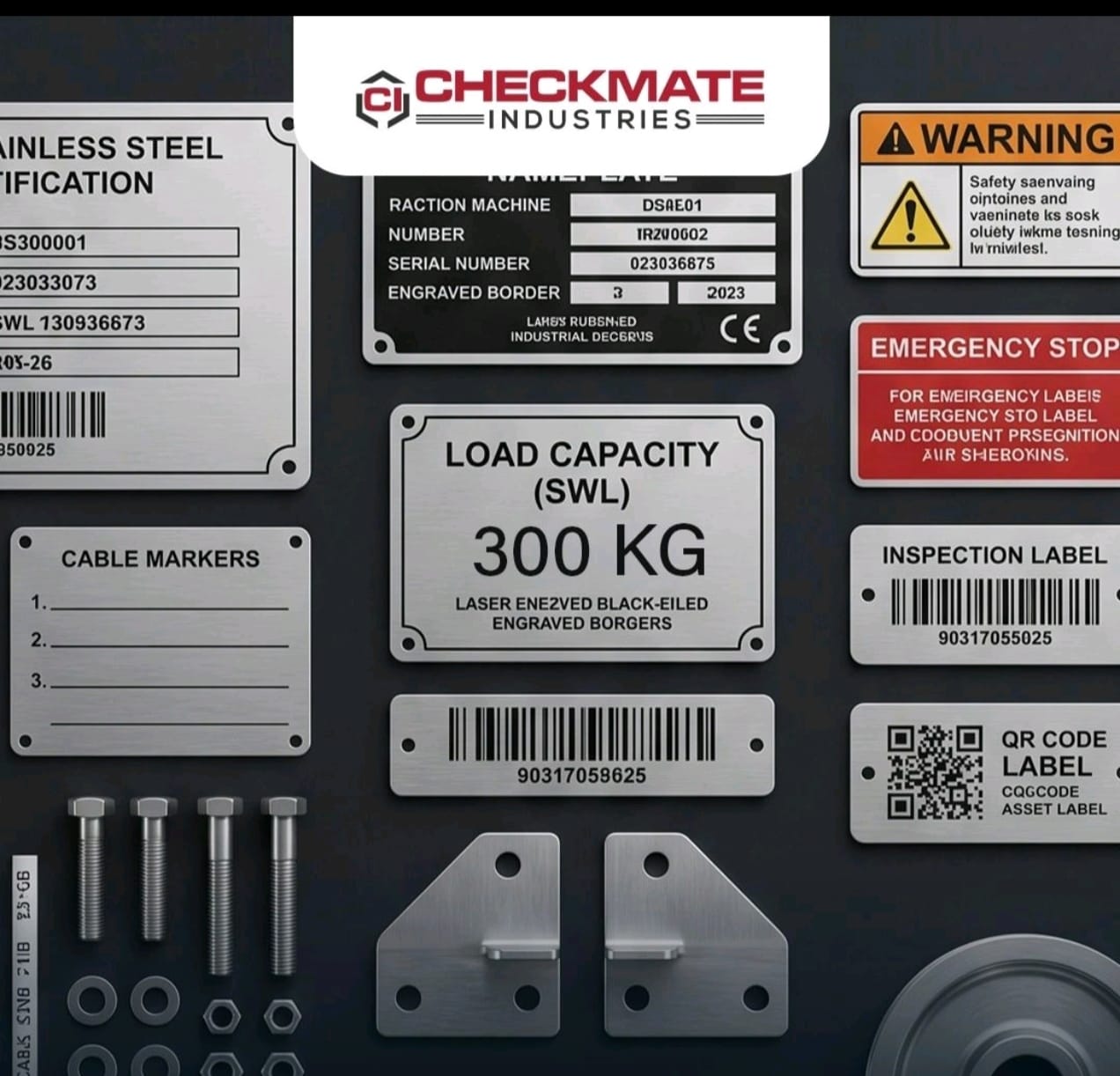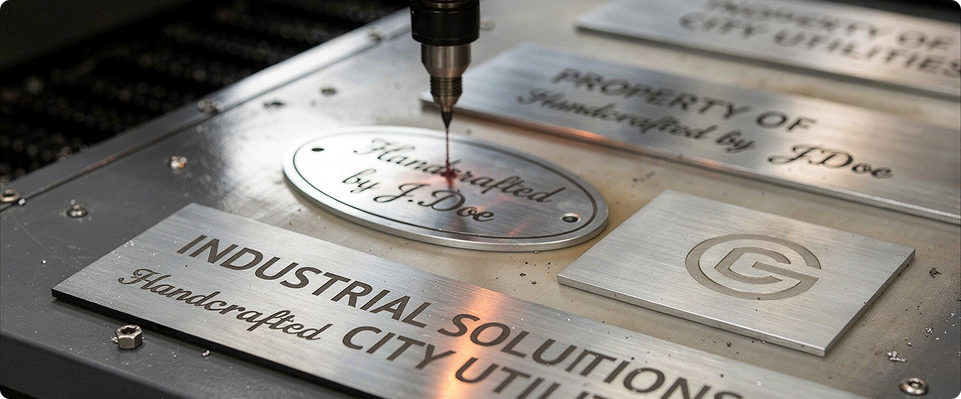
Industrial nameplates may look simple, but they play an important role. They carry key information like serial numbers, safety instructions, and branding. A poor-quality nameplate can fade, peel, or become unreadable. That creates problems in operations and compliance.
Here’s what actually makes a good industrial nameplate.
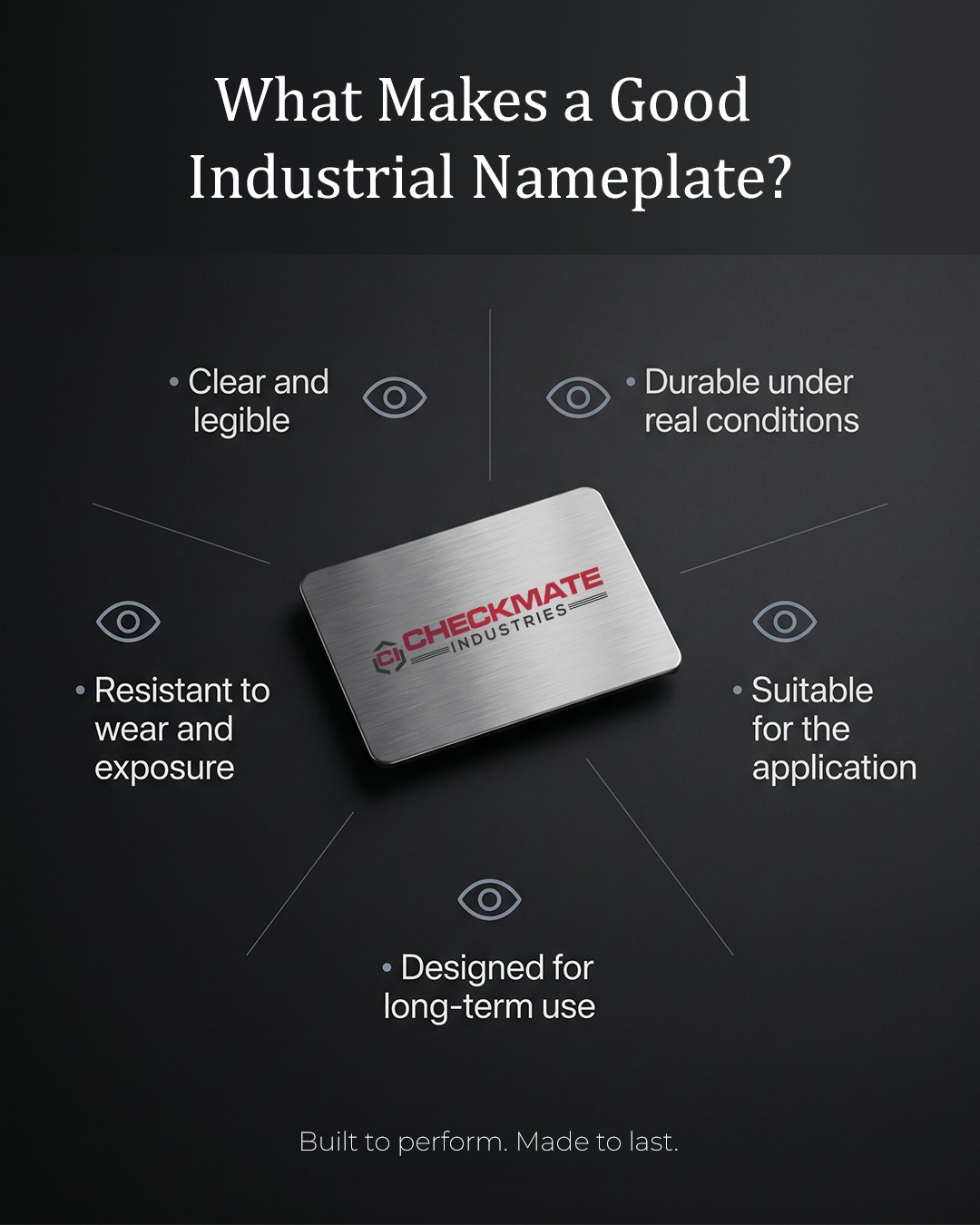
The first job of a nameplate is communication. Text, numbers, and symbols must be sharp and easy to read. Even in low light or dusty conditions, the information should stay visible. Good contrast and proper font size matter here.
Industrial environments are tough. Heat, moisture, chemicals, and rough handling are common. A good nameplate should handle all this without damage. Materials like stainless steel or anodised aluminium are often used for this reason.
Over time, surfaces face scratches, UV rays, and corrosion. A reliable nameplate will resist fading, rust, and damage. This keeps the information intact for years without frequent replacement.
Not all nameplates are the same. Some are for indoor machines, others for outdoor equipment. The material, adhesive, and printing method should match the exact use. For example, a marine environment needs higher corrosion resistance.
A good nameplate is not a short-term solution. It should last as long as the equipment itself. This reduces maintenance costs and avoids the need for repeated replacements.
A strong nameplate supports safety, compliance, and brand identity. It ensures critical details remain visible at all times. In industries where precision matters, even small components like this make a big difference.