Industrial environments rely heavily on clear identification and safety communication. One of the simplest yet most important tools used across manufacturing plants, construction sites, and engineering facilities is the industrial nameplate. These durable labels carry critical information about equipment, helping businesses maintain safety, compliance, and operational efficiency.
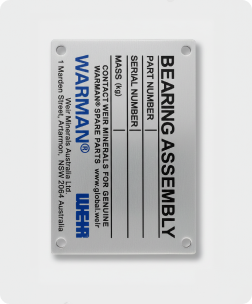
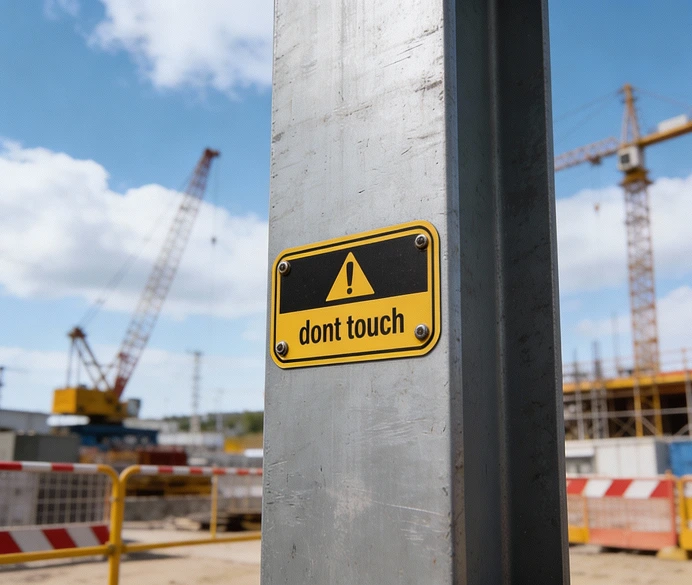
Industrial nameplates are commonly found on machinery, electrical panels, elevators, and industrial tools. They display key details such as manufacturer information, serial numbers, load capacities, operating instructions, and safety warnings. In many industries, these labels are not just helpful—they are required for regulatory compliance.
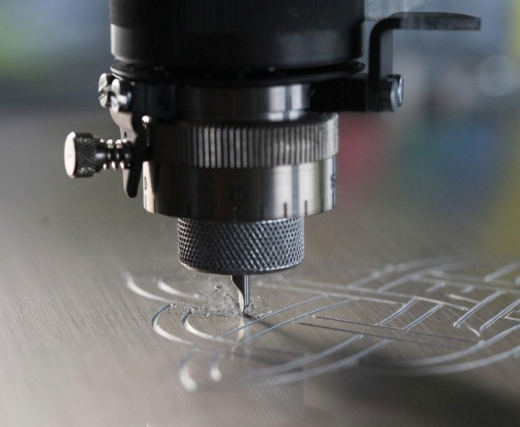
High-quality metal nameplates are designed to withstand harsh environments. Factors such as heat, chemicals, abrasion, and outdoor exposure can quickly damage standard labels. That is why many industrial businesses rely on etched or engraved metal plates made from materials like aluminium or stainless steel. These materials offer excellent durability and long-term readability.
Another advantage of industrial nameplates is traceability. In sectors such as mining, construction, defence, and manufacturing, equipment tracking is essential. A permanent nameplate ensures that machines can be easily identified throughout their lifecycle. This is particularly important for maintenance schedules, safety inspections, and warranty tracking.
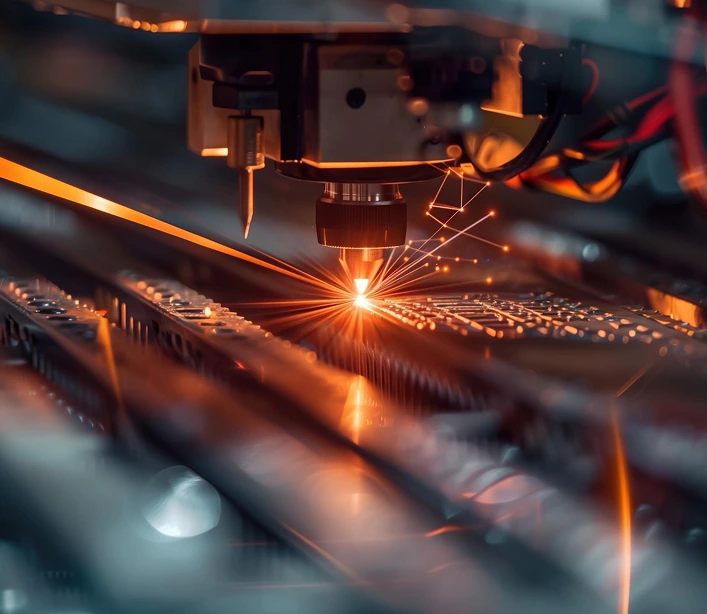
Modern manufacturing techniques also allow businesses to customise their nameplates with logos, colour coding, barcodes, or QR codes. This adds another layer of functionality while also improving brand presentation on industrial equipment.
Companies like Checkmate Industries Pty Ltd specialise in producing industrial nameplates that are built for demanding environments. From design to production, these solutions ensure information remains visible and reliable for years.
In the end, industrial nameplates may seem like a small component of machinery, but they play a major role in maintaining safe operations, meeting industry regulations, and supporting efficient asset management.