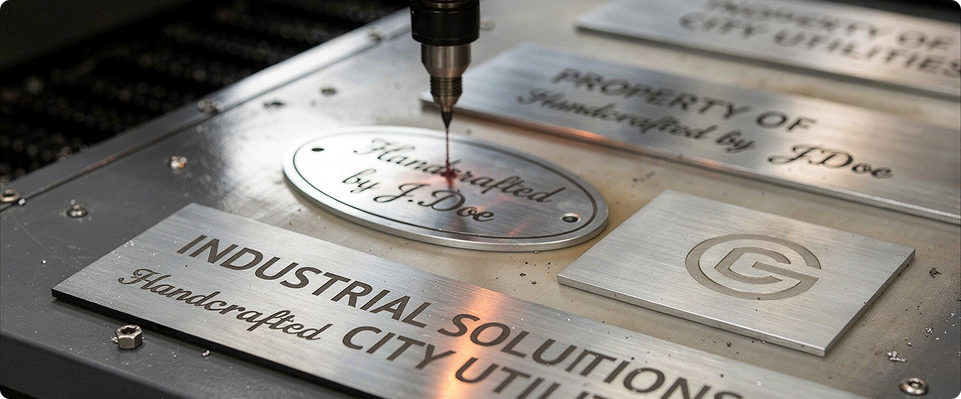
Industrial nameplates are an essential part of machinery, equipment, and infrastructure across Australia. From manufacturing plants to electrical systems, these plates provide critical information that ensures safety, compliance, and efficient operations.
In this blog, we’ll explore what makes a professional nameplate and answer some of the most common questions related to industrial nameplates.
A professional industrial nameplate is more than just a label—it reflects quality, compliance, and durability. Here are the key factors:
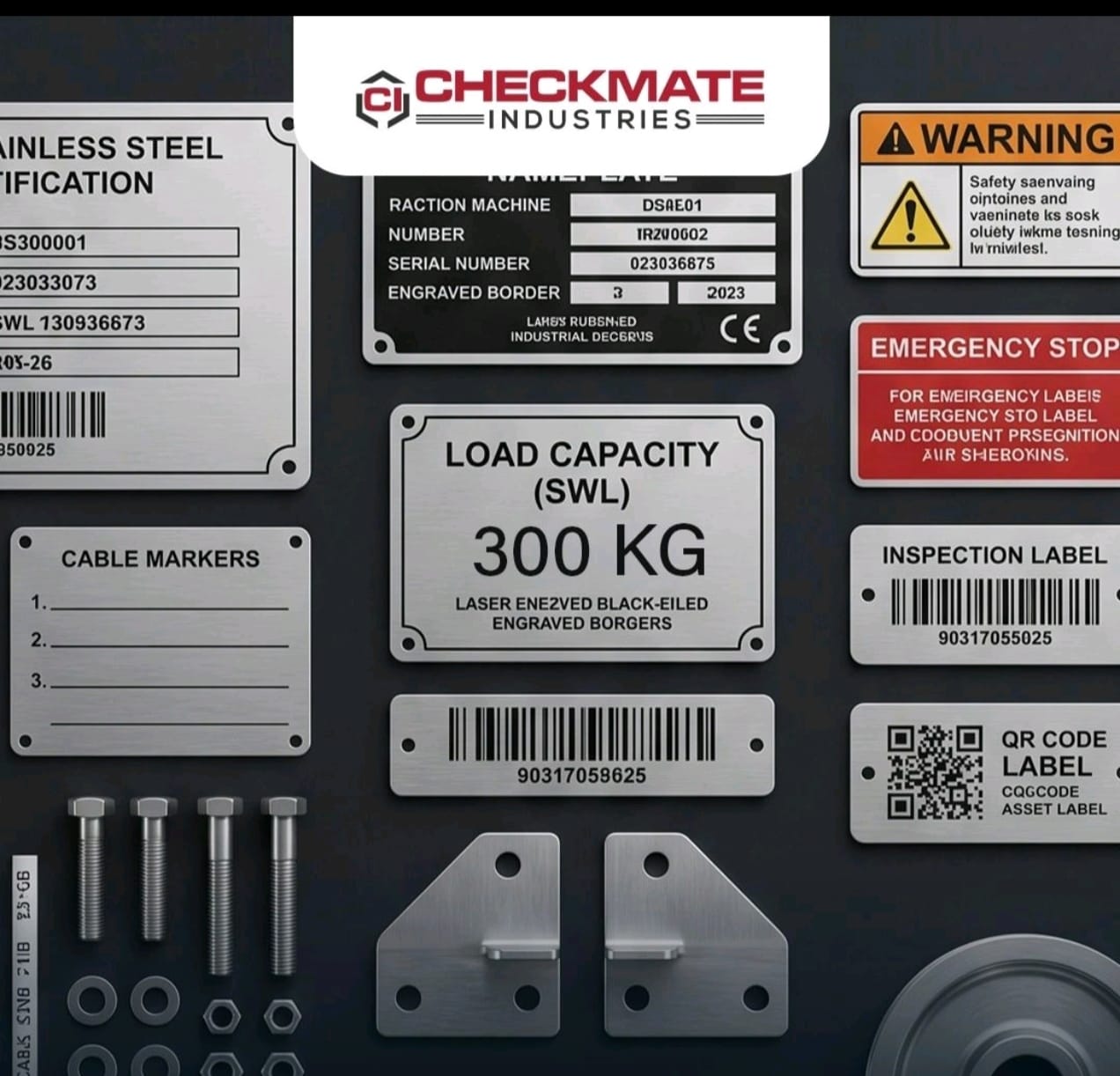
A professional nameplate must include essential details such as:
Durable materials like aluminium or stainless steel ensure the nameplate can withstand harsh Australian conditions.
Text should be easy to read, with proper font size, spacing, and contrast—even from a distance.
In Australia, nameplates must meet relevant safety and electrical standards to ensure legal compliance.
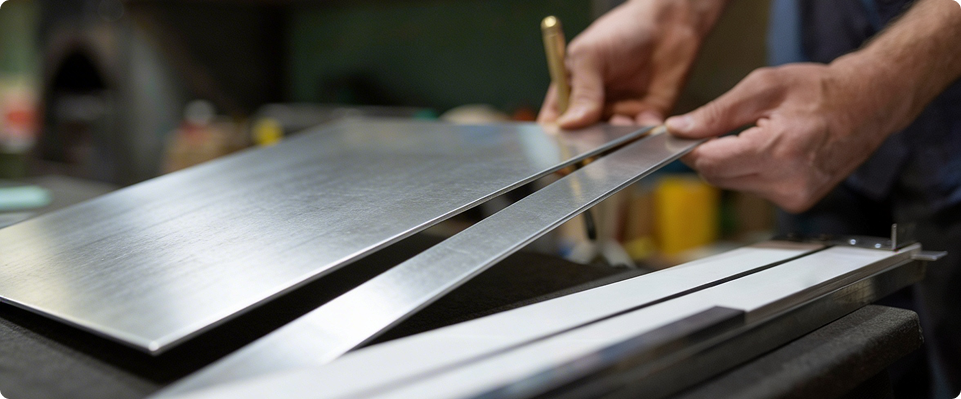
The thickness of aluminium nameplates can vary depending on the application. Common thicknesses include:
The thicker the plate, the more durable and resistant it is to physical damage and environmental wear.
There is no universal size for nameplates—it depends on the equipment and the information required.
Custom sizing is very common in Australia to meet specific industrial needs.
Yes, 3mm thick aluminium is considered strong and durable for most industrial applications.
This thickness is often used in industries like construction, mining, and marine sectors where durability is critical.
The best material depends on the environment and usage. Here are the most popular options:
Best overall choice: Aluminium and stainless steel are the most widely used materials in Australia due to their durability and reliability.
Industrial nameplates in Australia are crucial for safety, identification, and compliance. Choosing the right material, size, and thickness ensures long-term performance and professional presentation.
Whether you’re in manufacturing, construction, or electrical industries, investing in high-quality nameplates is essential for smooth and safe operations.