A component identification label is a durable, purpose-made label attached to an individual part or assembly — not the whole machine — so it can be tracked, serviced, replaced or audited on its own. In industrial and commercial settings, that usually means barcodes, QR codes or serial numbers printed on materials tough enough to survive heat, chemicals, vibration or years outdoors. Get the material and printing method wrong and the label fails before the part does, which is exactly the traceability gap the label was meant to close.
A component identification label identifies one specific part within a larger piece of equipment or system — a circuit board, a valve, a motor, a switchboard module, a lift traction component — rather than labelling the asset as a whole. Where an asset tag says “this is machine #4,” a component label says “this is the exact part inside machine #4 that was installed, serviced or replaced on a given date.”
That distinction matters for anything with serviceable or swappable parts. If a component fails, gets replaced under warranty, or needs recalibration, the label is what ties that specific physical item back to a serial number, a purchase order, a service history or a compliance record.
The environment a component sits in should decide the label material, not the other way around. Options generally include:
Temperature tolerance and chemical resistance are worth checking specifically for components inside switchboards, near lift machinery, or in outdoor and marine installations — a label that looks fine on day one but degrades within a year defeats the purpose.
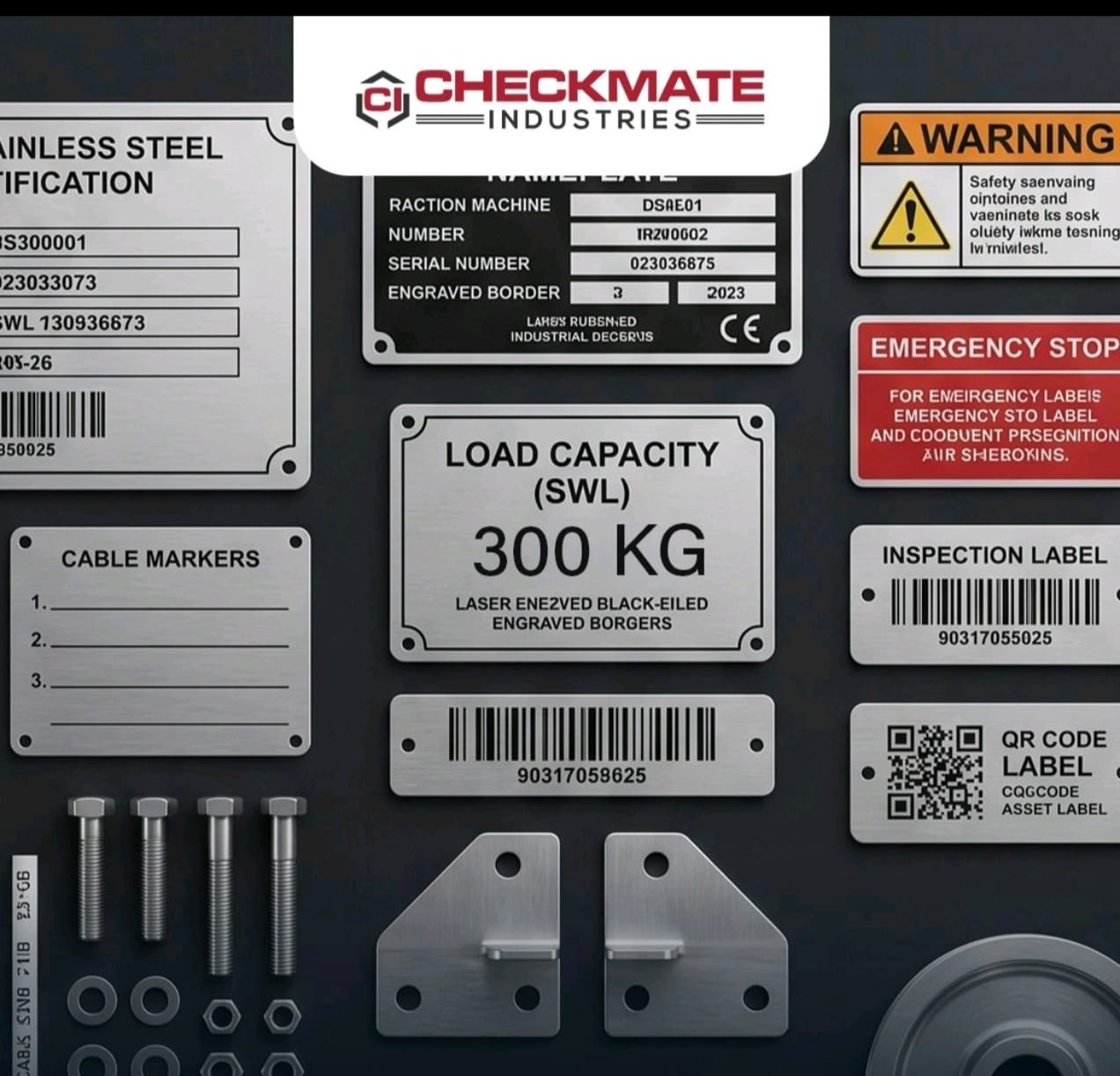
Most component identification labels carry more than just a name. Common data formats include:
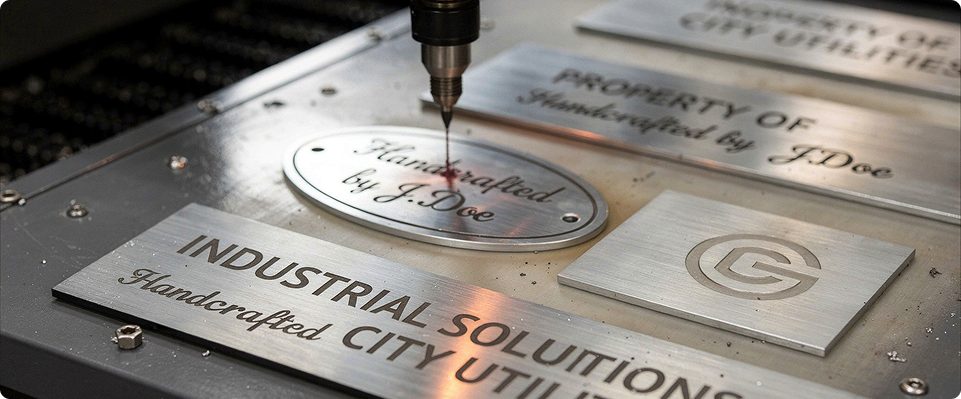
Variable data printing allows each label in a batch to carry a unique number or code without manually designing each one — useful for manufacturers labelling components at scale, or service businesses tagging spare parts inventory.
In practice, component identification labelling shows up wherever equipment has parts that need individual tracking:
A few questions narrow down the right option quickly:
Getting these answered upfront avoids the common failure mode: a label that’s readable and compliant on installation day, but illegible or peeling within twelve months.
What’s the difference between an asset tag and a component identification label?
An asset tag identifies a whole piece of equipment as a single item. A component identification label identifies an individual part within that equipment, so it can be tracked, serviced or replaced independently.
Can component labels include QR codes for service records?
Yes — QR codes are commonly used to link a physical component straight to its digital service history, installation date or compliance documentation.
What material lasts longest outdoors?
For outdoor or high-heat environments, stainless steel tags or UV-resistant polyester laminates generally outlast standard vinyl labels.
Checkmate Industries produces high-grade labels and stickers for asset and component identification, with options across tamper-evident adhesives, polyester laminates, stainless steel tags and vandal-resistant vinyl. Custom artwork, variable data printing and sequential numbering are available to suit inventory systems, service histories and warranty management.